Hanafuda is unique in that it allows you to experience the scenery and culture of Japan. I want users of my app to feel immersed in it, and I want to preserve the game for generations to come.
Taiki Hamamoto, Hanafuda Tactics creator
I want people to feel like they’re going on a journey through space when they log into my app… The universe is where we live. It's our home, and everybody should be able to get to know it.
Luciana Ortiz Nolasco, BreakDownCosmic creator
Local inspiration, global impact: Meet four of this year’s Swift Student Challenge winners
Every year, the Swift Student Challenge invites students from around the world to follow their curiosity and explore their creativity through original app playgrounds built with Apple’s intuitive, easy-to-learn Swift coding language. From a starry sky glimpsed through a telescope in Nuevo León, Mexico, to a pack of cards discovered in a Japanese game shop, the inspirations behind this year’s 350 winning submissions span the globe, representing 38 countries and regions, and incorporating a wide range of tools and technologies.
“We’re always inspired by the talent and perspective young developers bring to the Swift Student Challenge,” said Susan Prescott, Apple’s vice president of Worldwide Developer Relations. “This year’s winners show exceptional skill in transforming meaningful ideas into app playgrounds that are innovative, impactful, and thoughtfully built — and we’re excited to support their journey as they continue building apps that will help shape the future.”
Fifty Distinguished Winners have been invited to attend the Worldwide Developers Conference (WWDC) at Apple Park, where they’ll take part in a specially curated three-day experience. Over the course of the week, the winners will have the opportunity to watch the Keynote live on June 9, learn from Apple experts and engineers, and participate in labs.
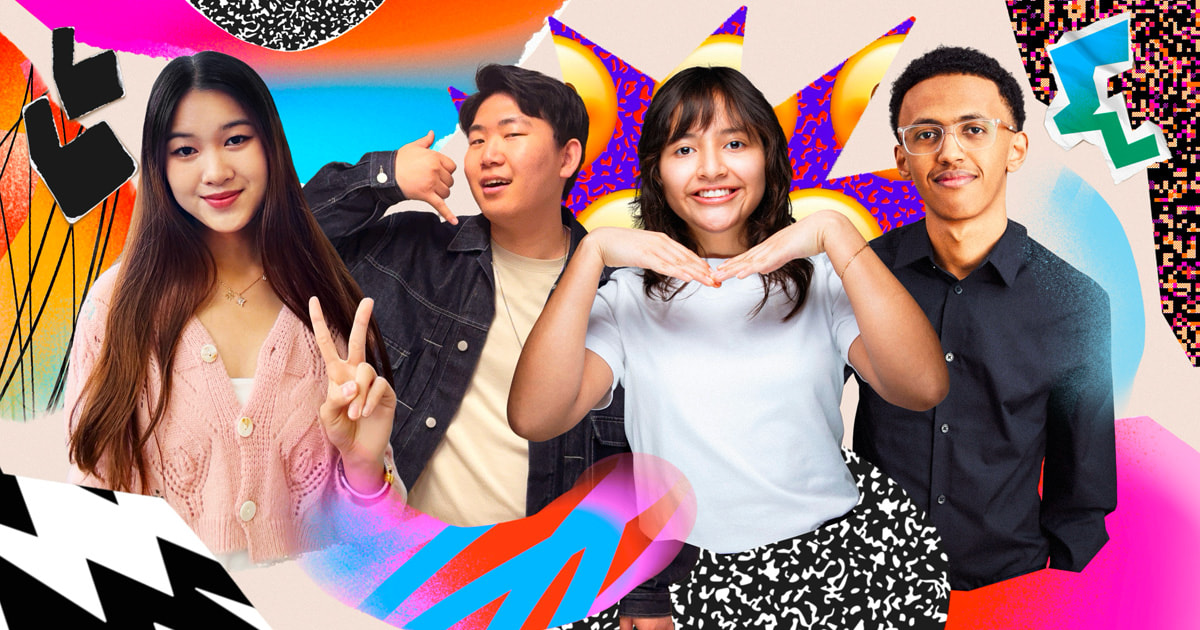
Many of this year’s winners took inspiration from their local communities, creating powerful tools that are designed to make an impact on a global scale. Below, Distinguished Winners Taiki Hamamoto, Marina Lee, Luciana Ortiz Nolasco, and Nahom Worku delve into their app playgrounds and the real-world problems they’re aiming to solve, demonstrating the power of coding to drive lasting change.
When Taiki Hamamoto, 22, came across a Hanafuda deck at his local game shop, he was intrigued. He had grown up playing the traditional Japanese card game with family members, and he thought it’d be easy to recruit friends for a nostalgic round or two — but that wasn’t the case.
“I found that very few people in my generation know how to play Hanafuda, despite it being such a staple in Japanese culture,” explains Hamamoto, a recent graduate of the Prefectural University of Kumamoto. “I thought if there was a way to make it easy to play on a smartphone, it might be possible to spread Hanafuda, not only in Japan but also to the world.”
Through his winning app playground, Hanafuda Tactics, novices can get familiar with the game’s rules and the cards themselves. The colorful, ornate 48-card decks, inspired by Japan’s reverence for nature, are divided into 12 suits — one for each month of the year — and each illustrated by a seasonal plant. There are many ways to play, but one of the most popular variations is Koi-Koi, where players try to form special card combinations known as yaku.
While Hamamoto stayed true to the game’s classic floral iconography, he also added a modern touch to the gameplay experience, incorporating video game concepts like hit points (HP) that resonate with younger generations. SwiftUI’s DragGesture helped him implement dynamic, highly responsive effects like cards tilting and glowing during movement, making the gameplay feel natural and engaging. He’s also experimenting with making Hanafuda Tactics playable on Apple Vision Pro.
The idea that a centuries-old game could one day disappear is unthinkable for Hamamoto, who’s gotten so much joy from it. “Hanafuda is unique in that it allows you to experience the scenery and culture of Japan,” he says. “I want users of my app to feel immersed in it, and I want to preserve the game for generations to come.”